Coast through summer: 10 itineraries for the UK seaside | Beach holidays
Explore the Shoreline
Start your seaside adventure at the breath-taking Llŷn peninsula in Gwynedd, known for its rugged cliffs and charming beaches.
Next, enjoy the wild and scenic landscapes while touring Ardnamurchan, Highlands. Housed in Scotland's west coast, Ardnamurchan boasts of both incredible fauna and scenic views.
Experience Cumbria and Lancashire's natural spectacle by visiting Morecambe Bay, a place teeming with wildlife and local history.
Feel the bracing sea breeze at Saltburn-by-the-sea, North Yorkshire, a coastal town that retains much of its original Victorian charm.
Explore the tranquil charm of Orford, Suffolk. Don't forget to taste the local catch at some of the town's fantastic seafood restaurants.
Take in the unparalleled cliffscape views at Lynton and Lynmouth, Exmoor coast, Devon. The twin towns are connected by a unique water-operated cliff railway, a bonus attraction.
Enjoy the peaceful setting of Winchelsea Beach, East Sussex. This southeast England beach is an ideal bird-watching spot.
Pay a visit to the heritage-rich Isle of Portland, Weymouth and Chesil Beach, Dorset, famous for the Portland Bill Lighthouse and Quarry Sculpture Park.
Conclude your trip with a visit to the serene Helford estuary, Cornwall and the picturesque Ards peninsula, County Down.
Exploring the Rugged Beauty of the Llŷn Peninsula, Gwynedd
The Llŷn peninsula in Gwynedd boasts an untouched and feral beauty that beckons the curious explorer. Travel along the tedious single-lane paths leading you to the peninsula's furthest part for a sublime solitude only matched by the place's tales of legends and spiritual history. Whereas the northern coast of the peninsula may appeal to those seeking solitude, the southern shores thrive with vibrant energy, making it a favourite among vacationers. This coastline is a thriving hub for recreational enthusiasts and those who relish the simplicity of constructing sand structures on the expansive sun-kissed beaches, riding the cresting surf, and cruising the azure waves on sailboats.
Kick-off your journey Bursting with vibrant enthusiast, the Wednesday market in Pwllheli is a destination for your introduction to the local culture with a fusion of fresh fruits, garden vegetables and international products. Located conveniently by the train station, it's a welcoming site for weary travelers. A Sunday visit will help you dive deeper into the local traditions with an array of locally-sourced goods. When you crave English classics, drop by Allports for an unforgettable taste of their twice fried chips with fresh fish. Pwllheli's lures are abound, from its sun-bathed beaches, the renowned Plas Heli and Welsh National Sailing Academy hub, to the picturesqueHafan Pwllheli Marina. Opportunities to flex your sailing skills, or simply admire the stately yachts, are plentiful.
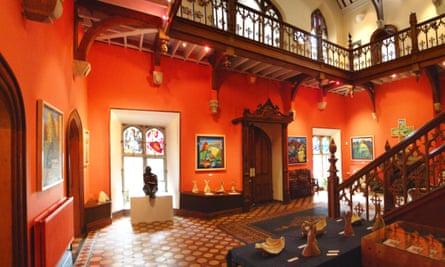
Further adventure On the subsequent day, step into the world of creative Welsh artistry at Plas Glyn-y-Weddw in Llanbedrog. Housed in a grand Victorian Gothic building with views of Cardigan Bay, it's a historical arts epicenter teeming with local arts and crafts. Cherish the exhibition showcases, or bag handmade ceramics, textiles, and jewellery from skilled local artisans in the in-house shop. Sit for a pleasant coffee-and-cake interlude in the lovely glass-roofed tearoom. After this enlightening visit, you may want to seek comfortable accommodation. There is a wide variety of hotels in Wales near Principality Stadium on www.hotels-wales.com, offering you a memorable stay close to another significant landmark, the Principality Stadium. You can take rest in these comforting locales after a day imbued with artistic endeavors. Further enrich your experience via the surrounding woodland pathways connecting to the Wales Coast Path, leading you to Llanbedrog beach. Be delighted by the colour-splashed beach huts, welcoming shallow waters, and kid-friendly sandy shores ideal for a fun-filled spade-and-bucket adventure.
Third day adventure Embrace the energetic waves from the Irish Sea as they crash into the elongated bays that define the southern coast of the peninsula. One should not miss the Hell's Mouth (Porth Neigwl), a surfer's paradise nestled between the prominent headlands of Mynydd Penarfynydd and Mynydd Cilan. This beach haven, famous for its consistently remarkable surf breaks, boasts of its gentle and extensive shoreline that welcomes not just swimmers, but enthusiastic body boarders and kayakers as well. The calm and secluded beach of Porthor, situated on the northern coastline, offers exhilarating encounters to body boarders, with its local marine seal life. Famous for its “whistling sands”, Porthor beach adds another layer of interaction - as one strolls barefoot, the sands produce a unique squeaking sound, a natural phenomenon that adds to this location's distinct charm.
On the Fourth Day Embrace your inner traveler and navigate a part of the 135-mile North Wales Pilgrim’s Way (Taith Pererin Gogledd Cymru), right to the tip of the peninsula. Begin your journey on the final stretch, traversing across Porthor to Aberdaron, a beautiful three-mile trek. Upon reaching Aberdaron, book a ferry ride in advance to Ynys Enlli (Bardsey Island) from Porth Meudwy (£32.50 for adults, £20 for children on bardseyboattrips.com). This unique place holds a myth of concealing the graves of 20,000 saints. Visitor beware: due to the potent tides and currents, the ferry trips may be intermittent and exhilarating.
On the fifth day, make your way to the Tŷ Coch Inn, accessible only by foot, from the National Trust parking bay, a brisk 20 minute walk. Nestled in the quaint corner of Porthdinllaen beach, the Inn is one of a handful of structures sheltered by a coastal direction, beside the lapping sea. It presents an idyllic pause for lunch - indulge in a hearty selection of savoury pasties and sandwiches. Afterwards, try your hand at stand-up paddleboarding, with lessons available every Thursday and Saturday during the summer. Take a detour to Caban Griff, the village's National Trust centre, to unearth the fascinating history of shipbuilding and fishing in Porthdinllaen.
Overnight accommodation comes courtesy of Bert’s Kitchen Garden. This eco-friendly campsite in Trefor, starts at £133 for a three-night stay and goes up to £145 per patch, based on quadruple occupancy. They also offer ready-to-use tents for those who prefer ease and convenience. The campsite, boasting just 15 pitches, offers communal campfires for an authentic camping experience. There's also a private pebbled beach and a charming cafe housed in an upcycled campervan, providing you all the amenities for your beach escape.
Ardnamurchan, Highlands

Off the beaten track, through the desolate yet striking north-west Highlands, one discovers a hidden gem - a secluded pathway adjacent to the breathtaking Loch Sunart. Infrequently inhabited but incredibly cherished, this is the mainland UK's most western point. A sanctuary for leisurely quests into mountains, untamed beaches, mystical forests, and extensive moorland, with an added bonus of wildlife encounters to enrich the adventure.

Beginning your journey At the Ardnamurchan Natural History Visitor Centre, you will find a vibrant display of wildlife such as otters, pine martens, golden eagles, and elusive wild cats. Notable residents like the pine marten, field voles and swallows have cleverly adapted the Living Building as their refuge, a structure specifically designed for attracting a variety of fauna. A walk through this timber structure with a grass roof allows the visitor to witness an intriguing simulation of distinctive habitats, from a darkened woodland to a wild cat's covert hideaway. The Centre's Lochview Tearoom, renowned for its wholesome Scottish breakfast and light noon meals, is a delightful culinary destination. Alternatively, you can choose to pick up a packed meal of sandwiches and cake for your onward journey.
Day two Hire a bike from Sunart Cycles (£20 a day) and either pedal independently or ask for a pre-planned tour. Bikes can be dropped off for no extra charge in the towns of Acharacle and Salen. Cycling on the peninsula itself is restricted mostly to the main road, which can get busy in summer. There are cycle paths on the other side of Loch Sunart in Morvern, however, which include routes through nature reserves and the ancient forest of Ariundle Oakwood. Suitable for hybrid and mountain bikes, there are several challenging off-road tracks.
Day three Climb Ben Hiant to get 360-degree views of the peninsula. Not as forbidding as it might sound, this extinct volcano is easy to scale – it’s a mere 528 metres high and there is a clear path to the top. As you ascend, look out for signs of pine martens and red deer. If visibility is good, you can see the islands of Muck, Eigg and Rum, Mull, Coll and Tiree from the top, as well as the rest of Ardnamurchan spilling out before you. Ben Hiant is loosely translated as Holy or Blessed Mountain, which may be a nod to the ancient burial ground nearby, at the bay of Camas nan Gaell.

On the fourth day, try something exciting and stimulating. Otter Adventures offers an array of kayaking and canoeing experience you can partake in. The adventures take place on scenic Loch Sunart and include a Sea Kayak experience and a Family Canoe Adventure. Under experienced guidance, traverse through lush forests and paradisaical islands to savour the best of nature, many of which are generally inaccessible by foot. Do not miss out on a quintessentially British experience of brewing a hot cuppa by the fire right in the heart of nature. You may also spot seals during your journeys, adding an extra layer of adventure to your experience. Scheduling in most of your day for these adventures is worth the £80 adult and £50 child fee as it delivers an unforgettable day full of exploration and exhilarating experiences.
The Fifth Day's Adventure Gear up for a serene day at Sanna Bay, the peninsula's crown jewel, because there won't be any shops in sight once you're there. Known for its untouched beauty rolled in pure white sands, radiant greenery in spring and summer, and shimmering turquoise waters, this locale invites you to relax and let the gentle tide laps away your concerns while rockpooling or beachcombing. Plus, it opens up a fascinating world of wildlife. Dune cliffs serving as sand martin homes, otters busy foraging along the shoreline, butterflies feasting on wildflowers, and the rare sighting of a white-tailed eagle are some of the delightful scenes you might stumble upon.
Overnight accommodation options Nestled under the beacon of Ardnamurchan Lighthouse, the Keeper’s West cottage makes a cozy haven (accommodates four, weekly rates range from £428 to £676). Alternatively, consider the quaint and elegantly simple stone cottage, Tir Nan Og (comfortably sleeps six, priced between £340 and £640 per week), a brief stroll away from the pristine sands of Sanna Bay.
Morecambe Bay, Cumbria/Lancashire

While the expansive, glistening coastline of Morecambe Bay may appear enchanting, its quicksand and mudflats are known for their perilous nature. Therefore, one should appreciate these captivating sights from the safety of the shore while discovering the various estuaries, isles, and vacation spots this unique seaside destination offers.

Your seaside voyage starts here: Commence your coastal trip with a relaxing morning, enjoying piping hot coffee at the notable Midland Hotel's Ravilious Rotunda Bar. Visitors from around the globe flock to this iconic building, admiring its unique curvilinear art deco architecture and stunning white facade. Soak in the breathtaking views of the vast Morecambe Bay from one of the hotel's scenic window spots. Dovetailing your visit with the 31 August–1 September period offers an additional treat in the form of the Vintage By The Sea Festival. This annual event, organized by Hemingway Designs, boasts no entry fee and is the perfect spot for retro aficionados. Here, amidst a merry-go-round of funfair rides, the strumming of live music, a bustling marketplace, and a parade of classic cars, attendees revel in moustaches and red lipstick, fully immersing themselves in a bygone era of charm and elegance.
The Second Day On your second day, prepare yourself for a leisurely exploration of Morecambe. Begin your day by embarking on a leisurely three-mile stroll, or a peaceful bike ride, heading south along Morecambe’s picturesque promenade. The path, perfect in its flatness, will take you to the far reaches of Morecambe Bay, where you may catch sight of local wildlife, including the charming oystercatchers and diligent turnstones scavenging in the mudflats. These creatures frequently come closer to the promenade during low tide, providing an excellent opportunity for bird-watching. A delightful part of your journey will include a stop at the celebrated statue of Eric Morecambe, depicted in a familiar stance with a pair of binoculars – a nod to his passion for bird-watching. Upon reaching the terminus of the promenade, ascend to Heysham Head for a glimpse of the crumbling remnants of the 8th century St Patrick’s Chapel. Rumour has it that it was on these shores that St Patrick found himself marooned following a shipwreck. While there, be sure to drink in the breathtaking view overlooking the bay and keep an eye out for the intriguing pre-Norman graves. These graves, hewn directly from the rock, and silently facing the vast expanse of the ocean, serve as a haunting reminder of the past. Seize the chance to take a few moments of reflection beside these ancient artifacts, a unique feature that makes this coastal journey all the more memorable.
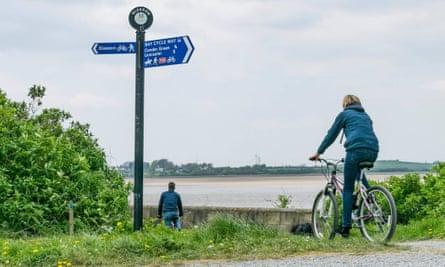
Day three Fortify yourself with breakfast at View Café, decorated with vinyl and music memorabilia. A designated Spam Menu includes Spam fritters, but there are other, more contemporary – and more appealing – options. Hire a bike at Morecambe station from Bike and Go (£10 for an annual subscription, then £3.80 a day), then join the Bay Cycle Way and pedal part of the route out of Morecambe, heading north along the coast. (Its entire length, from Walney Island in Barrow-in-Furness to Glasson Dock in Lancaster, is 81 miles.) Plotted by Sustrans, it takes cyclists on traffic-free paths and quiet lanes wherever possible (get a map, which includes several day rides at sustrans.org.uk, £13).
-- A Journey to Day Four -- Board the locomotive departing from Lancaster destined for Grange-over-Sands, also accessible from Morecambe with a changeover, and feast your eyes on the architectural marvel of the 505-meter viaduct winding its way over the River Kent estuary. Once you disembark, you'll notice the railway station's distinct appeal, emanating from the red and green wrought iron columns upholding tall glass canopies across the platforms. Step into the time capsule that is Grange-over-Sands, a town that spiked in popularity during the fervour of Victorian-age seaside bathing and preserves some of that bygone era's charm and air of sophistication even now. Its geographically secluded location provides a perfect microclimate for the array of exotic subtropical foliage gracing the promenade and enhancing the allure of the Ornamental Gardens. However, be wary of the sea's deceptive distances here: sometimes, the low tide can yield a gap of about 10 miles between the promenade and the sea, rendering swimming infeasible.
Day five Have an audience with the King of Piel Island. This 50-acre kingdom off the tip of Furness peninsula, Barrow-in-Furness, comprises a ruined 14th-century castle, a row of houses and the Ship Inn. The landlord, Steve Chattaway, is also the king – a title he inherited with ownership of the pub. You can camp here (£5 per tent, must be pre-booked) and the pub also serves food, but most visitors come for the day. In high season (April-Sept), catch the ferry from Roa Island, which is connected to the mainland by an isthmus (daily 11am-4.30pm, weather permitting, adult £5 return, child £3). Piel Island is also accessible on foot at low tide from Walney Point, but be warned: it’s risky as swift tides can leave you stranded.
Stay Gibraltar Farm campsite (from £14 per tent) in Silverdale is a working farm in the Arnside & Silverdale AONB, with views of Morecambe Bay and its own ancient woodland. For groups, camping in a designated area in the woods is £160 a night for up to 10 tents. Wolf House Cottages are two self-catering properties near the village of Silverdale: the Coach House sleeps six, from £575 to £795 a week; the Old Cottage sleeps four adults and two children, from £495 to £580 a week.
Saltburn-by-the-sea, North Yorkshire

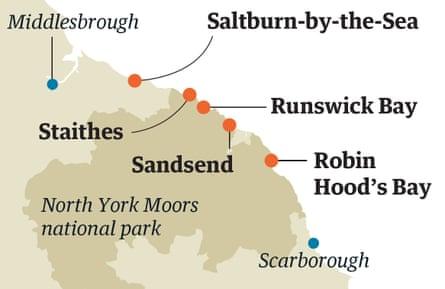
Perhaps overshadowed by the charming fishing hamlet of Staithes and the impressive Whitby harbour, Saltburn-by-the-Sea stands proud as a seaside destination straight from the era of Queen Victoria that remains delightfully unaltered. This delightful resort town boasts its intact vintage pier and lift, an exciting funicular railway that ferries visitors from the towering cliff top village down to the abundant, golden shoreline.
Day one Step into the imagination of Henry Pease, a Victorian Quaker and industrialist, who literally dreamt up Saltburn in 1858: a celestial vision prompted him to create a town on the edge of a cliff and turn its glen into pleasure grounds. The result is a dignified town with substantial houses overlooking the beach, streets named after jewels (Pearl Street, Ruby Street, Emerald Street) and a very long pier (see below). It also has a variety of independent shops – check out Chocolini’s for handmade chocolates, and Lillian Daph for Scandi-style homeware. Then promenade through the Valley Gardens, whose winding paths cross a stream, go through woodland, and pass formal gardens and a colonnaded gazebo.
Day two Plummet to the beach from the town in the Victorian, water-powered lift. The cliff lift deposits passengers at the entrance of the 200-metre-long pier, which extends across the wind-blown sand at low tide and over rolling waves at high. It has absolutely nothing on it except dog walkers and the occasional seabird – a place to go to clear the head and gulp salty air. The beach is a well-regarded surf spot, and although the sea can get lively, there are good beginner’s waves on either side of the pier. Saltburn Surf School has been teaching folk to surf here for over 30 years and offers private lessons (£50 an hour for one person, £60 for two).
Day three Hunt for fossils among the rocks and shingle on the beach. The entire coast between Saltburn and Scarborough is the stuff of geography field trips, and packed with Jurassic geological interest. Saltburn beach is backed by the sheer rock of Huntcliff, whose erosion has revealed ammonites, crinoids and belemnites, and fossilised wood. Staithes, Robin Hood’s Bay and Runswick Bay are all good fossil-hunting grounds.

Day four Spend a few hours in the village of Sandsend, a 30-minute drive along the coast. There is not a whole heap to do here except enjoy its massive (four mile) sandy beach and look around its well-scrubbed village: stone cottages with red roofs, some of which are holiday accommodation, sit in front of immaculate lawns beside a stream that rushes towards the sea. A sprinkle of shops includes a good general store and cafe. Eat well for a reasonable price at the Bridge Cottage Bistro, which serves an imaginative menu including many dishes involving locally caught fish. Alternatively, plump for a Whitby crab sandwich on the deck of the Sandside Cafe, inches from the beach.
Day five Visit Staithes to see why it has inspired so many artists, past and present. Park at the top of the town and walk down its steep main street to the harbour, wandering into intriguing-looking alleys along the way. Call in at Dotty’s Vintage Tearoom for a buttered tea cake and a pot of tea among vintage collectibles. The Cod and Lobster Inn on the harbour wall is as close as you could get to the sea: waves lash against its front door at high tide. At low tide, the rocky shoreline platform outside is exposed – good rockpooling territory.
Stay Coastguard Cottage (sleeps four, from £320 to £650 a week) is one of a row of houses perched above Saltburn beach on the Cleveland Way. The Spa Hotel (doubles from £109 a night B&B) sits above the beach, has views of the sea and cliffs, and offers Surf and Stay packages which include lessons.
Orford, Suffolk

Orford, with its rich history, presents a charming tableau of former fishermen's residences, buzzing harbours, and ancient vessels slowly succumbing to the elements. This quaint hamlet intrigues with its lovely yet subtly mysterious character, evidenced by the contrasting elements of the beautiful Orford Ness and a retired military testing ground, both of which exist side by side.

Day one Pick up breakfast from Pump Street Bakery in Market Square: all of its naturally leavened bread and pastries are made in the village, and it makes its own small-batch chocolate. Nip into Pinney’s for picnic supplies – the shop beside its smokehouse sells its own smoked fish, and wet fish caught daily on its boats. Orford General Store is an excellent village shop selling local cheese, fruit and veg, and just about everything else you may need, including maps.
Day two Catch the little ferry from Orford quay to Orford Ness, a strange and rare shingle spit running parallel to the coast. The fragile, shifting bar of pebbles, dunes, reeds, saltmarsh and brackish lagoons is populated by avocets, redshank, oystercatchers, brown hares and Chinese water deer among many other species. Barn owls also nest in several of the buildings built from 1913-1987, when Orford Ness was used as a military test site. Follow waymarked trails to see these and the wildlife.
Day three Motor south along the coast towards the estuary of the River Deben, stopping at Shingle Street – a lonely row of ex-fishermen’s cottages (now holiday accommodation) evacuated in 1940 under mysterious circumstances. Sit on the beach, soak up the atmosphere, or go for a swim. Stop for lunch at The Ramsholt Arms (the lunch menu includes handmade faggots, local ham steak and veggie options), and watch yachts sail by from its deck overlooking the estuary.

Day four Tune into your animal spirit with a goat yoga session – the goats wander among you – at Skylark Farm (£15, book in advance) in Bawdsey, held on Sunday mornings and Tuesday evenings. Goat petting/milking sessions can also be arranged as a child-friendly option. Drive on to Felixstowe, and either marvel at the Tetris-like dexterity of the crane drivers at the container port, stroll through the recently restored Seafront Gardens, or swim in the sea (rated “excellent” water quality by the Environment Agency). The beach is a mixture of shingle and sand.
Day five Climb aboard the Lady Florence, a lovely wooden second world war supply ship, for a lunch or supper cruise. Departing from Orford Quay, the three-hour trip along the rivers Alde and Ore goes past Orford Ness to Shingle Street and the North Sea, before returning. It also circumnavigates Havergate Island bird sanctuary. Alternatively, a breakfast cruise will take you upstream to Aldeburgh and back, as you eat hot muffins on deck. Twelve passengers per cruise, £22.50pp, meal extra, rivercruiserestaurants.co.uk.
Stay Daphne Cottage (sleeps two, from £485 to £795 a week) is a Grade II-listed Victorian cottage with a small garden at the front and a patio at the back.
Lynton and Lynmouth, Exmoor coast, Devon

Perched atop the sheer cliffs of the north Devon coastline, the sister cities of Lynton and Lynmouth offer breathtaking views of the glistening ocean expanse. A stone's throw to the south, the tranquility of Exmoor awaits. The rugged cliffs and gorges of the region marry both the land and sea, presenting a maze of walking trails, secretive coves, and unspoiled beaches to explore. This alluring combination of serene coastal beauty and adventurous terrain make Lynton and Lynmouth irresistible summer destinations.

Day one Ascend from the Esplanade at Lynmouth to its sister town of Lynton on the Cliff Railway. There’s no better way to get up a cliff than sitting in a bottle-green carriage of a Victorian funicular railway as it steadily makes its way to the top. Two carriages work in tandem – one goes up as the other goes down – propelled by the gravity pull of water discharged from tanks fitted to each. At the top, a giant scone awaits in the cafe as part of a Devon cream tea, plus views of the coast curling out of sight.
Day two Walk to the Valley of Rocks. A 20-minute walk from the Cliff Railway along clearly marked paths will take you to a U-shaped dry valley that runs parallel to the coast. A spectacular smattering of shattered rocks populated by feral goats (and, in high season, coachloads of tourists), it has inspired Romantic artists (Samuel Palmer), poets (Coleridge, Wordsworth) and novelist RD Blackmore, who set parts of Lorna Doone here. Free guided walks to Hollerday Hill and the Valley of Rocks leave Lynton Town Hall throughout the summer.
Day three Breakfast on shakshuka or eggs benedict at in Lynton. Then head for Lynmouth car park and follow the East Lyn River to Watersmeet (click on the link for downloadable circular walk). A pleasant two-mile stroll will take you along the river, through a thickly wooded gorge lush with ferns and over bridges to the fairytale-like Watersmeet House. Now a cafe, this ex-fishing lodge sits at the confluence of the East Lyn River and Hoar Oak Water. It is still possible to fish here for salmon, sea trout and brown trout (permits available from Watersmeet House), but most choose to drink tea on the lawn and listen to the river rushing past.

Day four Discover a secret(ish) cove. Pack lunch and a book, and scramble down to Wringcliff Bay, following a path from the roundabout in the Valley of Rocks. It takes a bit of effort to reach it – it is accessible only by a steep footpath, so children should probably avoid it – but the peacefulness of the place is worth it. The small sandy beach is sheltered by steep cliffs all around and is often deserted. Strong currents mean it is not advisable to swim far out but paddling is highly recommended, as is sitting on a rock and watching the waves. Dogs are allowed.
Day five Explore Combe Martin, a seaside resort that runs ribbon-like along the bottom of a valley with a sheltered (and popular) sandy beach. Pick up some homemade pork pies and pasties from the Combe Martin Farm Shop, then spend the day rockpooling, or hire a kayak or two from Surfside Kayak Hire and go looking for hidden coves and dolphins. Alternatively, take the South West Coast Path out of town and walk to the vertiginous Hangman Hills, the highest sea cliffs in England. (Combe Martin is also where the Hunting of the Earl of Rone – a custom involving villagers dressing up and chasing the Earl of Rone through the town – takes place every May.)
Stay Bayview Tower in Lynton (sleeps four, from £560 to £2,129 a week,) is a rather grand apartment (with four-poster bed) looking over Lynmouth Bay. Countisbury Hill Cottage (sleeps four, from £309 to £819 for two nights/£559 to £1,479 a week, dogs welcome) is a stone cottage with an enclosed garden in a remote hamlet near Lynton. Foreland Bothy (sleeps four, from £21 to £27 a night) is a simple, windowless room with wooden platforms for beds (no mattresses or other amenities), right on the South West Coast Path near Lynton.
Winchelsea Beach, East Sussex
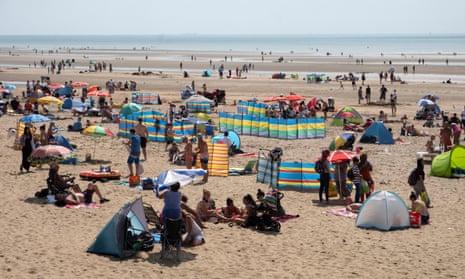
Residing just beyond a barrier of pebble stones, a casual traverse from the pristine beaches of Camber and within a short three-mile journey from the charmingly historic streets of Rye, lies the quaint village of Winchelsea Beach. This seaside gem hasn't been touched by overwhelming amounts of tourists yet. The architectural ensemble of pre-war train-carriage houses neighbouring wooden beach huts, alongside bungalows and chic, modern homes, gifts this seaside resort with a cherished touch of whimsy and peculiarity.

Day one Stock up on supplies for the week at Salts Farm Shop just north-west of Rye, which sells Kentish Mayde pies, free-range eggs from a farm in Battle, and beer from Romney Marsh Brewery. Head up the hill to the Winchelsea Farm Kitchen for good quality meat, wine and other deli delights. On the way back, drop in at The Clam, a new Camber cafe serving all-day brunch – tasty sourdough toast toppings include tahini, blood orange, pistachio and honey – and steak tacos.
Day two Stay local and make the most of Camber Sands on your doorstep. This four-mile stretch lined with dunes is one of the few sandy beaches along this coastline, and the place to head with a picnic and a beach towel. Even at busy times it’s possible to find a quiet spot to put up a windbreak (advised – it can get very blowy). The Kitesurf Centre and Rye Water Sports offer kitesurfing and paddleboarding lessons.
Day three Head out to Romney Marsh and explore its 14 medieval churches, rising in splendid isolation from the flat land. Built by lords of the manor to serve now-vanished communities, and also as a display of wealth, most are open to visitors. Don’t miss St Thomas à Becket at Fairfield, which has appeared in various TV programmes, including Great Expectations. End the day in an open-sided carriage of a one-third size steam locomotive on the Romney, Hythe & Dymchurch Railway. Buy a return ticket and hop on at nearby Dungeness for a sweet little chug along the coast to Hythe and back (rover ticket £18.60 adult, £9.30 child, less for shorter journeys).

Day four Walk to Rye Harbour Nature Reserve – a land of gravel pits, lagoons, marsh and shingle. An important conservation site, you could spot avocets nesting in the saltmarsh or marsh harriers hunting in the reedbeds. Walk to a bird hide along wooden boardwalks (look out for yellow horned-poppies, sea kale and sea campion in the shingle along the way) and wait. The Avocet Gallery in Rye Harbour village serves tea and cake (Fridays, Saturdays, Sundays) and showcases (and sells) the work of top-quality local artists, designers and makers.
Day five Go for a beachcomber’s lunch at The Gallivant and tuck into local specialities like saltmarsh lamb and fish from the Hastings fleet (but don’t bring young children – this hotel/restaurant next to Camber Sands welcomes over-10s only). Head up the hill and enter Winchelsea through one of its medieval gates. Now a quietly delightful town perched high on a ridge a mile inland, it was once an important port and the centre of the wine trade. Book a guided tour around its vaulted cellars – a great rainy-day option – to get a taste of the town’s medieval past.
Stay Seashells (sleeps five, from £1,150 to £1,400 a week) is a new, light and airy beach house on Camber Sands with a large gated garden. The same owner rents out Pebbles Beach House (sleeps five, £1,299 a week high season, £165 a night low season – two-night minimum), an airy, shabby-chic wooden bolthole on the shingle at Winchelsea Beach.
Isle of Portland, Weymouth and Chesil Beach, Dorset

Contrary to common perceptions, the Isle of Portland is not an island at all, but a significant limestone landmass secured to the mainland by a lengthy pebble isthmus known as Chesil Beach. Despite being physically attached, the remarkable sense of separation from the mainland and its distinction from the larger Jurassic Coast make it an enthralling destination for summer explorers.

Day one Take a look around the scattered settlements of Portland, keeping an eye open for buildings built from Portland stone. Drop by Tout Quarry nature reserve and sculpture park, where much of the stone was quarried (and ended up in Buckingham Palace and St Paul’s Cathedral, among other places) and which now has 60 hidden sculptures to discover along meandering paths. The Portland Museum, a community project founded by birth-control pioneer Marie Stopes and housed in two thatched cottages, is a good place to learn more. It was also the inspiration for the heroine’s cottage in Thomas Hardy’s The Well-Beloved.
Day two Continue explorations by venturing to Portland Bill, which overlooks the roiling waves of Portland Race. This whirl of tides and currents, combined with the Shambles sandbank, is why this rocky promontory has three lighthouses. Climb up the automated candy-striped one to understand the nature of the ship-wrecking waters that surround it. Drop in at the visitor centre, once the home of the lighthouse keepers, and learn more with the help of interactive displays, then feast on crab sandwiches at The Lobster Pot next door.
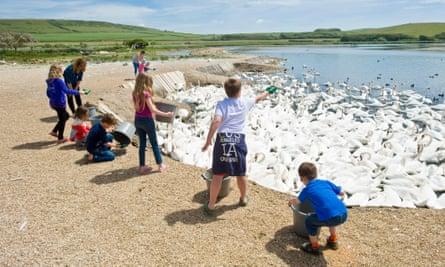
Day three Head along Chesil Beach to Abbotsbury. Chesil Beach runs beyond the pretty, thatched village of Abbotsbury, parallel to the coast to West Bay, framing Fleet Lagoon. This brackish lake is home to the 600 mute swans at the Swannery at Abbotsbury. Help to feed them at noon and 4pm daily, then sample Abbotsbury mackerel and other sustainably sourced fish at the Taste Café in the Chesil Beach visitor centre, which has views over the lagoon and beach.
Day four Get out on to the water at Weymouth and Portland National Sailing Academy in Portland Harbour, which hosted the sailing events at the 2012 Olympics and is now a centre of sailing excellence. The RYA-accredited Andrew Simpson Centre offers sailing taster sessions for £20 an hour. There are also plenty of other opportunities locally to snorkel, canoe, swim, scuba dive to shipwrecks, and fish. Head into Weymouth and refuel with fish and chips at The Old Harbour restaurant, followed by a game of whack-a-mole in the amusement arcade on the beach for the full-on seaside experience.
Day five Visit the labyrinthine Northe Fort at the mouth of Weymouth harbour, which was built in 1872 to defend the Portland naval base from Napoleon III. Now a visitor attraction, it also has a reputation as a haunted site. Alternatively, hop aboard a wooden second world war naval boat and let a bewhiskered skipper take you on a 1½-hour trip along the Jurassic Coast. Boats leave from Weymouth harbour (£14). On the way back to base, stop for a drink at the Cove House Inn – sit outside and enjoy the sight of Chesil Beach stretching out before you.
Stay The Old Higher Lighthouse cottages (each sleeps four, from £450 to £1,000 a week) on Portland Bill, have the sea views you’d expect from a lighthouse plus shared use of a pool and hot tub. Alternatively, 50 Ocean Views (sleeps four, from £490 to £1,154 a week) is a smart contemporary apartment with a private terrace and sea views.
Helford estuary, Cornwall

Discover the serene enchantment of River Helford, a tranquil sanctuary hidden amongst lush woodlands and cosy coves. This gem provides a calm respite from the vivacious energy of the neighbouring Falmouth's sun-drenched beaches. It’s a great opportunity to immerse yourself in the waterfront lifestyle. Whether you're perched on the footpath or a charming pub terrace, watch the swift movement of pleasure boats and luxury yachts as they pass by. For a touch of adventure, why not leap into a kayak and navigate through the tranquil waters yourself.

Day one Sink a pint on the terrace outside The Ferryboat Inn at Helford Passage. This popular pub sits beside the river above a beach, and is a good viewpoint for gazing over the estuary and watching small boats bob about. The menu changes daily and includes pub food classics and inventive fish dishes (mackerel tacos, seabass linguine). It’s a prime position for watching the Helford Passage Regatta (10 August) and is also the place to catch the ferry across the river to Helford, see below, and to pick up the South West Coast Path.
Day two The lush vegetation and the cherry laurel maze at the National Trust’s Glendurgan Garden near the village of Durgan is a wonderful place to get lost in. Extending over both sides of a steep valley, the garden is planted with exotic species like Mexican cypress, Japanese loquat and mimosa. Giant gunnera erupt jungle-like in the lower valley. The maze is waist high, so it’s possible to signal for help from others caught in its coils. A stroll to the bottom of the valley leads to Durgan on the water’s edge, where the sandy beach is a good place to sit and eat a sandwich as others go rockpooling.
Day three Paddle through the creeks and coves of the River Helford. Slipping quietly through the water in a small boat is the best way to get to know the river and its forested valleys, witness its wildlife close up, explore the inlets that probe inland, and pull up at one of its quieter beaches and go for a dip. St Anthony Sailaway on Gillan Creek at the entrance of the river hires out single and double kayaks and rowing boats for £13-15 an hour. Koru Kayaking runs guided two-hour kayaking adventures for £40, setting off from the private beach at Budock Vean Hotel.

Day four Commence this day with a worthwhile visit to Gweek, a small Cornish town which offers a heartwarming experience at the Cornish Seal Sanctuary. This sanctuary, originally founded by Ken Jones following the rescue of a baby seal in 1958, is not only home to seals but hosts a plethora of other creatures such as otters and penguins. The establishment houses five spacious pools and a hospital designed for caring for and rehabilitating sick or abandoned animals with each one having its own unique story. The main objective is to restore the health of these animals and eventually reintroduce them back into the wild, but those unable to fend for themselves in the wild continue to reside here as beloved residents.
Day five Embark on a charming three-mile round trip from the serene Helford Village, a journey which allows you to uncover the magic of Frenchman’s Creek. Admire the quaint little ferry carrying joyful tourists and enthusiastic hikers across the Helford Passage, void of any vehicular traffic. The journey continues past the delightful Shipwright’s Arms , a charming site for children to engage in crabbing and also the host for an annual regatta. You then venture to the intimate St. Francis Chapel at Pengwedhen and Kestle Barton, a recently revamped Rural Centre for Contemporary Arts nestled within an age-old farmstead. The route takes you through the infamously enchanting Frenchman’s Creek, brought to life by Daphne du Maurier, prior to returning to Helford. Ensure you allocate some time to explore the picture-perfect thatched cottages and boathouses that speckle the village.
Stay Options for accommodation in the area vary from cozy cottages to grand houses. Kestle Cottage, located near Frenchman's Creek, is a charming home away from home that sleeps four and is priced between £395 to £1,295 per week. This rural retreat is one of many holiday havens transformed from traditional farm structures. On the other hand, the Creek View apartment perched above Helford Village Stores, boasting spectacular estuary views, can accommodate four guests for a weekly rate of £317 to £939. For a slightly more luxurious holiday experience, consider the Bosvathick House B&B in Constantine. This majestic residence offers spacious double rooms for £110 per night and singles for £70, amidst lush grounds complete with a laurel maze. The gardens are open during peak season, allowing guests to fully explore and appreciate their beauty.
Ards peninsula, County Down

Experience the breathtaking beauty of the Ards peninsula, a captivating place where Strangford Lough gracefully merges with the Irish Sea. Its diverse shoreline offers a unique mix of sandy expanses adorning the east coast and shingle banks blanketing the Lough, ensuring the enticing call of the water is constantly within your reach.

Day one Stock up on locally produced food and craft at the monthly market, held in Portaferry’s restored market house (first Saturday of the month, 10am-1.30pm). Portaferry sits at the southern end of the peninsula near the Narrows – the turbulent channel linking Strangford Lough to the Irish Sea – and is where to catch the ferry to the other side of the Lough. Sit outside the Portaferry Hotel with a coffee and wait for the ferry to arrive, or duck inside to eat seafood dishes, including bouillabaisse and lobster.
Day two Make your way three miles up the road from Portaferry to Kearney, a former fishing village restored in vernacular style by the National Trust. Now fully occupied, the simple whitewashed cottages tucked between drumlins (hillocks) and the sea, present a sanitised but appealing impression of what life was like in a 19th-century fishing village. In one cottage lived Mary Ann Doonan, captain of the so-called “she-cruiser”, a ship crewed entirely by women, and something of a local legend. The sandy beach of Knockinelder is close by and is a lovely spot for a dip.
Day three Hire a canoe and explore one of Strangford Lough’s 100-plus islands, many of them rich in seabirds and other wildlife; you may even spot seals and otters as you go. Outdoor Recreation NI, which manages and promotes outdoor activities in Northern Ireland, has devised a series of canoe trails, which can be found, along with a list of canoe providers, at canoeni.com. One canoe trail leads to Salt Island, where you can stay overnight in a bothy – it has a woodburner and a flushing toilet but no cooker (sleeps 10, £10pp sharing, £80 for exclusive use).

Day four Drive around to the other side of Strangford Lough to the Castle Epsie Wetland Centre (which is just 12 miles south-east of Belfast). Blending with the shoreline of the Lough, its 25 hectares of tidal lagoons, salt marsh, woodland and reed beds are home to countless birds, bats and insects, and a stopping-off point for migrating brent geese. Watch the avian comings and goings from one of the hides, or walk among ducks, ducklings and geese in the duckery. On the way back, stop off at Daft Eddy’s, a smart modern restaurant by the side of the Lough, for Portavogie scampi and a pint of Guinness.
Day five Visit Grey Abbey House and Gardens in Newtownards to inspect a fine example of a big old Irish Georgian house. Located on the side of the Lough, the grounds have a walled and vegetable gardens, and two orchards of Victorian fruit trees and Irish apple trees. The expansive estate includes a lake and ancient woodland inhabited by red squirrels. Close by are the ruins of a Norman Cistercian priory, dissolved by Henry VIII. Up the road is Harrisons of Grey Abbey, a nursery, farm shop and popular restaurant.
Stay Cowey Cottage (sleeps four, from £395 to £550 a week) in Newtownards is a stone cottage with a woodburner, comfortable leather sofas and a flagstone floor, deep in rolling farmland but a short drive to the Lough. Castle Ward Caravan Park, in the grounds of the Castle Ward estate on the shores of Strangford Lough, has 10 pitches for tents (from £18.50), plus wooden camping pods (sleep two to five, from £42 to £67), and 25 hard stands for caravans/motor homes (from £22). For caravans and tents, add £2 per additional adult, £1 per child and £2 per additional car.